Types of Tiles
Tiles vary in size, colour, shape, quality and build
|
Want to learn more ?
(07) 5596 1916
83 Lawrence Drive Nerang QLD 4211
Showroom Opening Hours
Monday - Thursday |
8:00 AM - 5:00 PM |
Friday |
8:00 AM - 4:30 PM |
Saturday |
8:30 AM - 12:00 PM |
Sunday |
CLOSED |
Public Holidays |
CLOSED |
You'll be smiling, doing your tiling, when you shop at

|
Most awarded Queensland Tile Showroom
Experience the beauty and quality of Nerang Tiles - the leading tile supplier on the Gold Coast.
Our wide range of high-quality tiles, including mosaic, swimming pool, marble look, concrete look, hand-made look, and more, are perfect for adding a touch of elegance and style to any room in your home or commercial space. We provide tile selection, design and sample services for all your tile needs. Contact us today and let us help you transform your space. Follow us on social media for the latest tile trends and inspiration. Proudly serving the Gold Coast and Brisbane.
Voted Best Tile Showroom, Nerang Tiles hosts one of the largest Australian tile showrooms displaying thousands of floor tiles and wall tiles at discount prices at its Gold Coast Tile Showroom.
The Nerang Tiles Website is a gallery snapshot only. Displaying a sneak preview of the thousands of tiles on display at its Gold Coast Tile Showroom. Visit in store to see the full range and take advantage of the Nerang Tiles expert team.
Nerang Tiles is a one stop tile showroom, providing colour and design consultation to assist builders, architects, retail and interior designers tile all areas from floors, walls, bathrooms, kitchens, pools, outdoor areas, offices to driveways.
Showcasing the latest in tile design and interior tile trends, including all classic and traditional tile designs, Nerang Tiles has it all. Some of the tiles available include tiles suitable as kitchen tiles, bathroom tiles, floor tiles, wall tiles, outdoor tiles, pool tiles, feature tiles and much more.
Tile Types available at Nerang Tiles: Bathroom Tiles, Kitchen Tiles, Pool Tiles, Outdoor Tiles, Wall Tiles, Floor Tiles, Feature Tiles, Timber Look Tiles, Marble Look Tiles, Stone Look Tiles, Concrete Look Tiles, Pattern Tiles, Mosaic Tiles, Stone Veneer Cladding, Cladding Tiles, Brick Look Tiles, Subway Tiles, Talavera Tiles, Capping Tiles, Listello Tiles, Pencil Tiles, Vinyl Tiles, Safety Tiles, Geometric Tiles, Tessellated Tiles, Mercatto Tiles, Terracotta Tiles, Anti Slip Tiles, Commercial Tiles, Textured Tiles, Sealed Tiles, Structured Tiles, Scored Tiles, Pressed Edge Tiles, Rectified Tiles, Vitrified Tiles, Step Tread Tiles, Coving Tiles, Bullnosed Tiles, Glazed Tiles, Bejmat Tiles, Zellige Tiles, Kit Kat Tiles, Finger Tiles, Unglazed Tiles, Floral Tiles, French Pattern Tiles, Terrazzo Look Tiles, Glow in the dark Tiles, Glass Tiles, Encaustic Tiles, Mosaic Tile Murals, Pool Mosaic Murals, Porcelain Paver Tiles and much more.
You are sure to be smiling doing your tiling when you shop at Nerang Tiles.
Find more tile inspiration for your wall tiling or floor tiling through the Nerang Tiles' Pinterest Page, Instagram Page, Houzz Profile or Facebook Page. The Nerang Tiles Social Media pages are constantly updated with new tiles arriving in store and designed inspiration from tile factories and customers for our viewing pleasure.
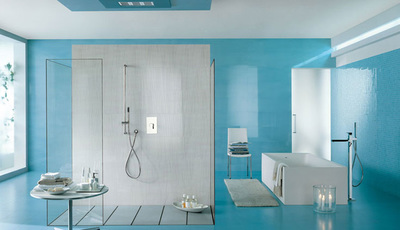
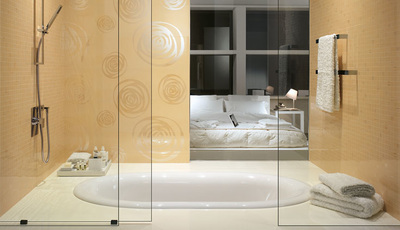
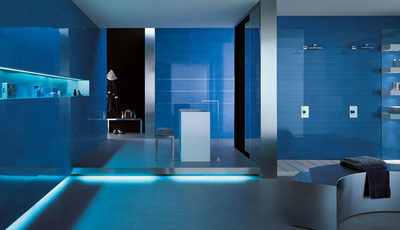
*Photos are an indication of colour only. Actual goods may vary from images shown due to device display settings, product batch variations and fine detail, and may not be available. Please contact Nerang Tiles to check availability, request samples or view display items .
Information on this website is to be used as a guide only and should not be taken to constitute current professional advice or a formal recommendation and we exclude all representation and warranties in relation to the content of this website. All consumers should seek professional advice through their local Builder's Association for specific, current and individual application.
Our wide range of high-quality tiles, including mosaic, swimming pool, marble look, concrete look, hand-made look, and more, are perfect for adding a touch of elegance and style to any room in your home or commercial space. We provide tile selection, design and sample services for all your tile needs. Contact us today and let us help you transform your space. Follow us on social media for the latest tile trends and inspiration. Proudly serving the Gold Coast and Brisbane.
Voted Best Tile Showroom, Nerang Tiles hosts one of the largest Australian tile showrooms displaying thousands of floor tiles and wall tiles at discount prices at its Gold Coast Tile Showroom.
The Nerang Tiles Website is a gallery snapshot only. Displaying a sneak preview of the thousands of tiles on display at its Gold Coast Tile Showroom. Visit in store to see the full range and take advantage of the Nerang Tiles expert team.
Nerang Tiles is a one stop tile showroom, providing colour and design consultation to assist builders, architects, retail and interior designers tile all areas from floors, walls, bathrooms, kitchens, pools, outdoor areas, offices to driveways.
Showcasing the latest in tile design and interior tile trends, including all classic and traditional tile designs, Nerang Tiles has it all. Some of the tiles available include tiles suitable as kitchen tiles, bathroom tiles, floor tiles, wall tiles, outdoor tiles, pool tiles, feature tiles and much more.
Tile Types available at Nerang Tiles: Bathroom Tiles, Kitchen Tiles, Pool Tiles, Outdoor Tiles, Wall Tiles, Floor Tiles, Feature Tiles, Timber Look Tiles, Marble Look Tiles, Stone Look Tiles, Concrete Look Tiles, Pattern Tiles, Mosaic Tiles, Stone Veneer Cladding, Cladding Tiles, Brick Look Tiles, Subway Tiles, Talavera Tiles, Capping Tiles, Listello Tiles, Pencil Tiles, Vinyl Tiles, Safety Tiles, Geometric Tiles, Tessellated Tiles, Mercatto Tiles, Terracotta Tiles, Anti Slip Tiles, Commercial Tiles, Textured Tiles, Sealed Tiles, Structured Tiles, Scored Tiles, Pressed Edge Tiles, Rectified Tiles, Vitrified Tiles, Step Tread Tiles, Coving Tiles, Bullnosed Tiles, Glazed Tiles, Bejmat Tiles, Zellige Tiles, Kit Kat Tiles, Finger Tiles, Unglazed Tiles, Floral Tiles, French Pattern Tiles, Terrazzo Look Tiles, Glow in the dark Tiles, Glass Tiles, Encaustic Tiles, Mosaic Tile Murals, Pool Mosaic Murals, Porcelain Paver Tiles and much more.
You are sure to be smiling doing your tiling when you shop at Nerang Tiles.
Find more tile inspiration for your wall tiling or floor tiling through the Nerang Tiles' Pinterest Page, Instagram Page, Houzz Profile or Facebook Page. The Nerang Tiles Social Media pages are constantly updated with new tiles arriving in store and designed inspiration from tile factories and customers for our viewing pleasure.
*Photos are an indication of colour only. Actual goods may vary from images shown due to device display settings, product batch variations and fine detail, and may not be available. Please contact Nerang Tiles to check availability, request samples or view display items .
Information on this website is to be used as a guide only and should not be taken to constitute current professional advice or a formal recommendation and we exclude all representation and warranties in relation to the content of this website. All consumers should seek professional advice through their local Builder's Association for specific, current and individual application.